It’s not easy to replace an acronym that’s been around for over 100 years. You might know it. 
- You grab Attention with your headline or subject line. It needs to be benefit-led, answer ‘what’s in it for me’ and perhaps be keyword-rich for SEO
- You keep the reader’s Interest by writing in reverse chronological order, and by using bottom-up (you/your) language at least twice as much as top-down (company-focused) language, with most of the bottom-up language at the top (lol)
- You generate Desire by turning features into benefits
- You prompt readers to take Action by telling them your most wanted response in the form of a call to action (sometimes described as a call to value, telling them not what to do but what they’ll get when they do it)
The only change to this model that you might read about is C for Conviction. This comes before the final A and is where you would put third-party endorsements such as reviews, recommendations, testimonials, case studies, star ratings and client lists or logos. Basically, any external evidence that reinforces your claims. It’s where you tap into the power of social proof aka peer pressure.
I find it useful, but I think of AIDA as more of a copywriting formula than a structure. You will probably always starting by grabbing attention and end with a call to action, but the interest and desire sections are throughout and interchangeable.
For that reason, a client asked me to invent a new copywriting mnemonic to replace AIDA. Not an easy task. The AIDA model was introduced by businessman Elias St. Elmo Lewis in the late 19th century…
Anyway, I came up with HOBO, and drew a nice little character to make it easy to remember.
- Headline
- Opening
- Body
- Objective
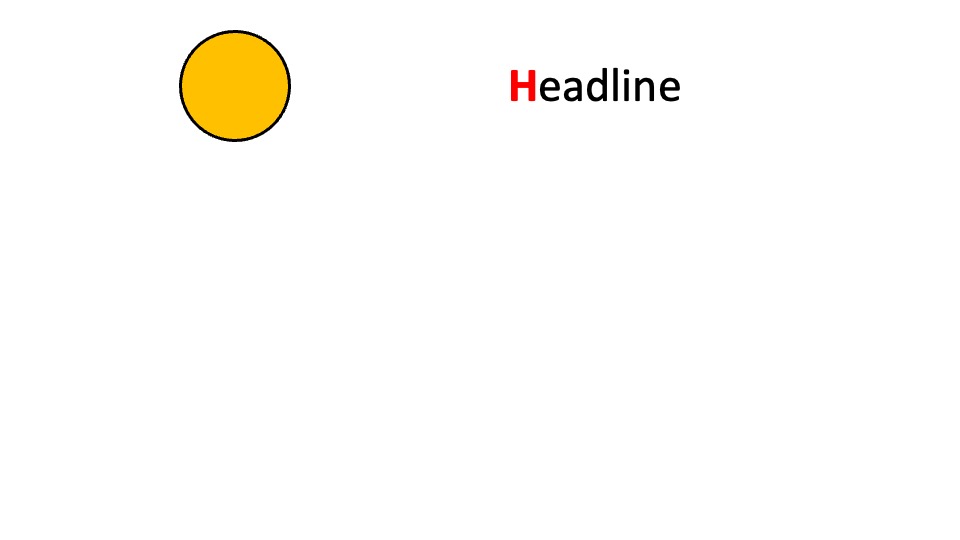
Grab attention. Answer ‘what’s in it for me’ from the point of view of the reader.
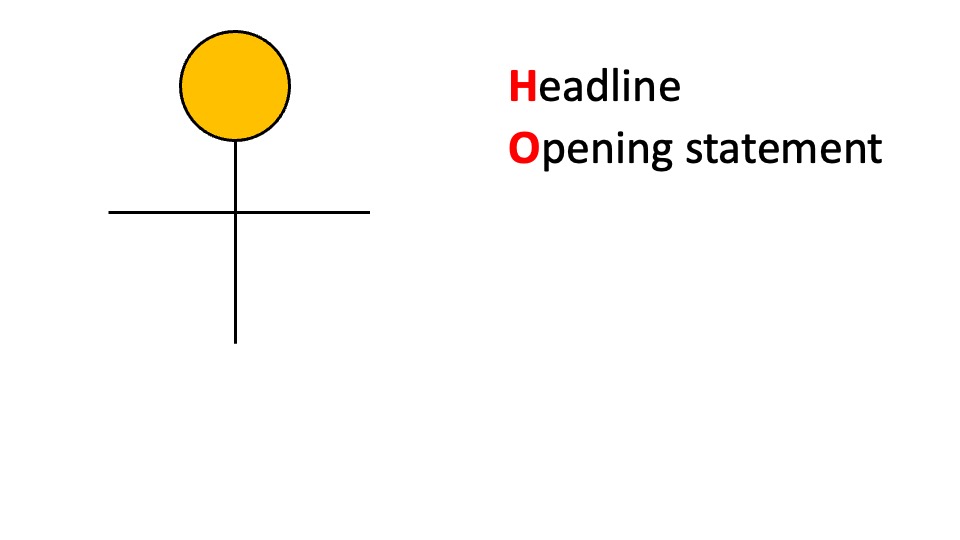
Explain your headline. Add information about the most important benefits.
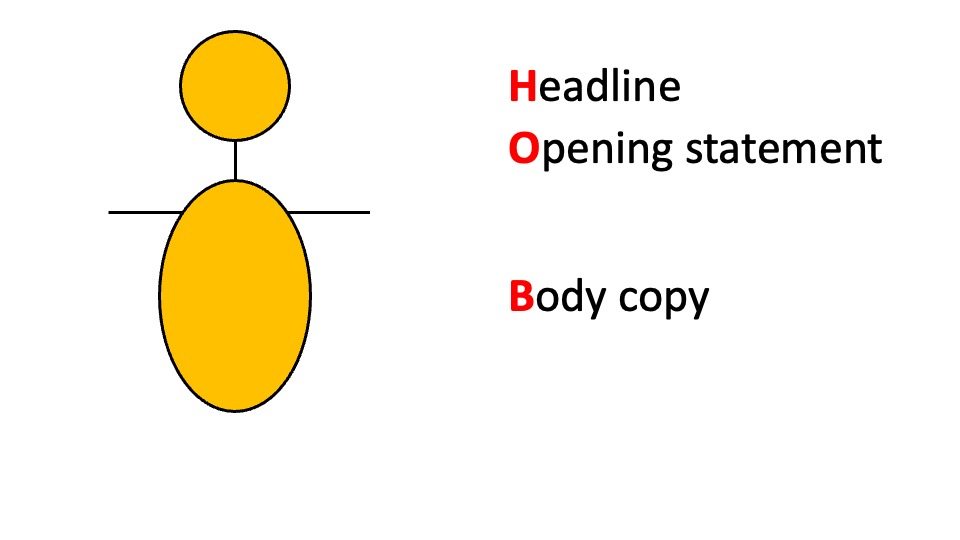
The bulk of your content, for those who want more detail.
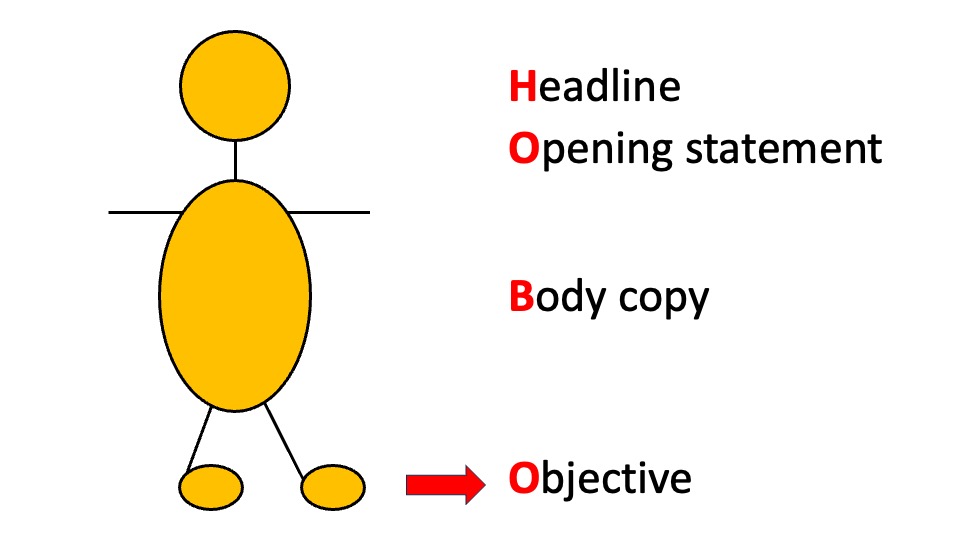
Tell them what direction you want them to go. Your most wanted outcome. (It’s useful to decide your objective before you start writing.)
(c) Me.
Sadly, the client refused to use it, because they thought ‘hobo’ had negative connotations.
I’m not sure I agree. My rationale is below. What do you think?
Exhibit A
Billy Connolly writes about hoboes in his book Rambling Man. My life on the road.
He says:
‘Hobo’ may not be a politically correct word anymore, but I care not a jot… There are far more derogatory words for travellers than ‘hobo’ – like ‘derelict’, ‘bum’, ‘vagrant’ and ‘beggar’. What’s the difference between a hobo, a tramp and a bum? Some say a ‘hobo’ is a migratory person who wants to work, a tramp will work if necessary, but a bum doesn’t want to work at all.
Exhibit B
From the novel West With Giraffes by Lynda Rutledge:
Despite public perception, hoboes weren’t just tramps who happily rode the rails. They began as nomadic workers who roamed the United States, taking jobs wherever they could, and never spending too long in any one place – enjoying the freedom of the traveling life. To avoid police harassment, a group decided to form a union, which created hobo cards to flash, touting a hobo pledge. Dues were a nickel a year.
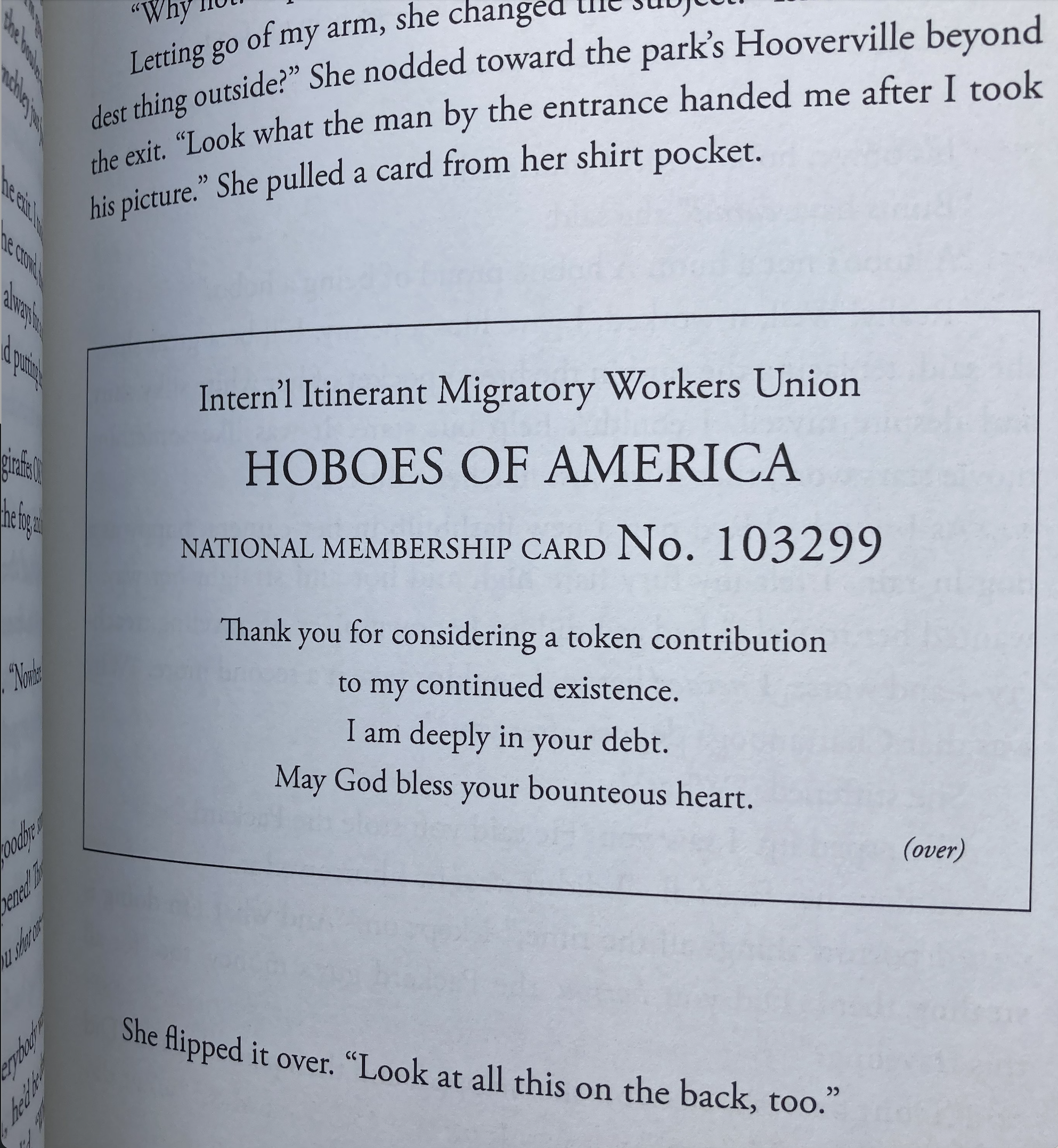
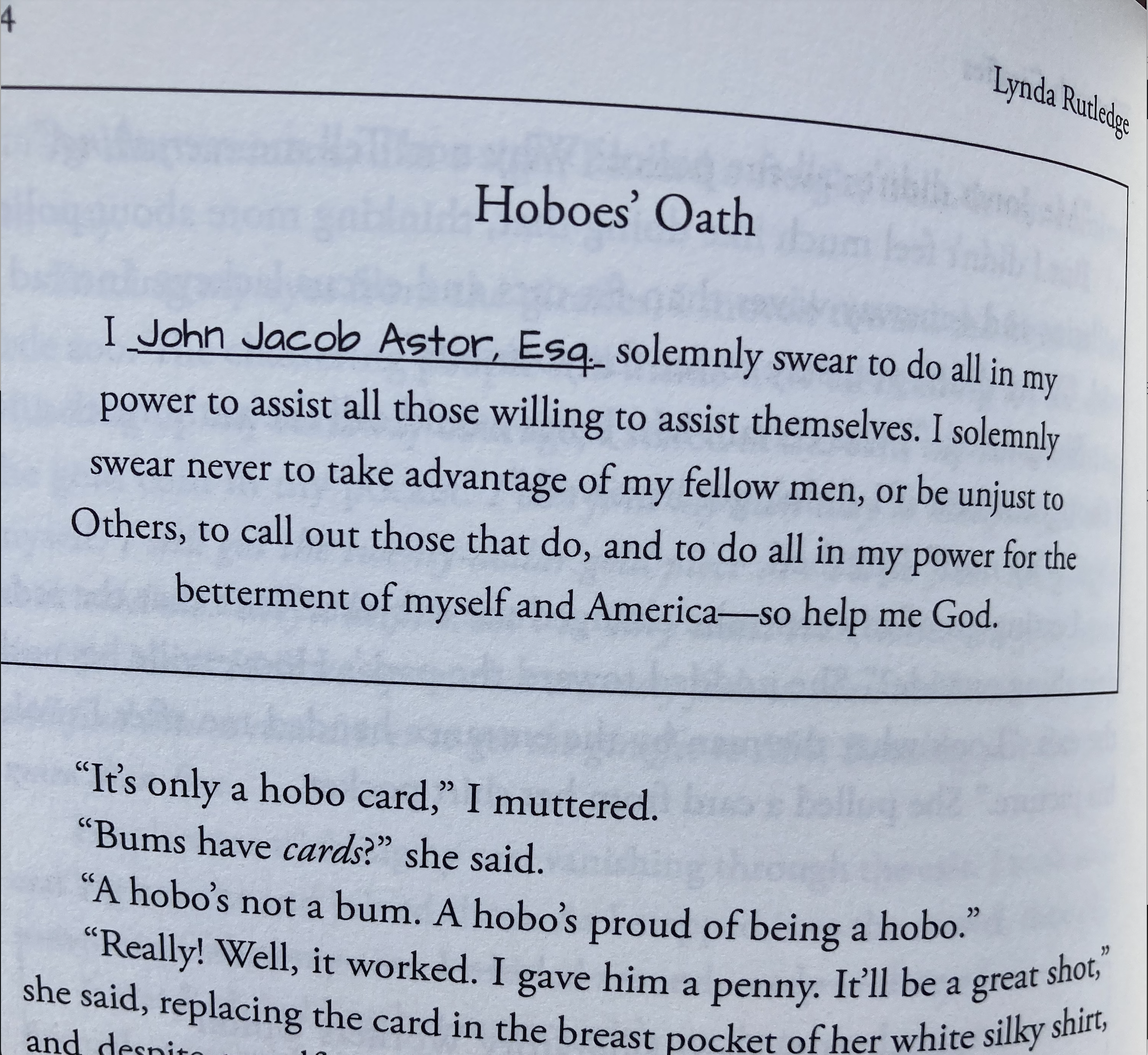
Exhibit C
“A hobo’s dreams are just like wings of angels, They’ll take him anywhere he wants to go”.
Lyrics from ‘Hobo Heaven’ by Boxcar Willie
